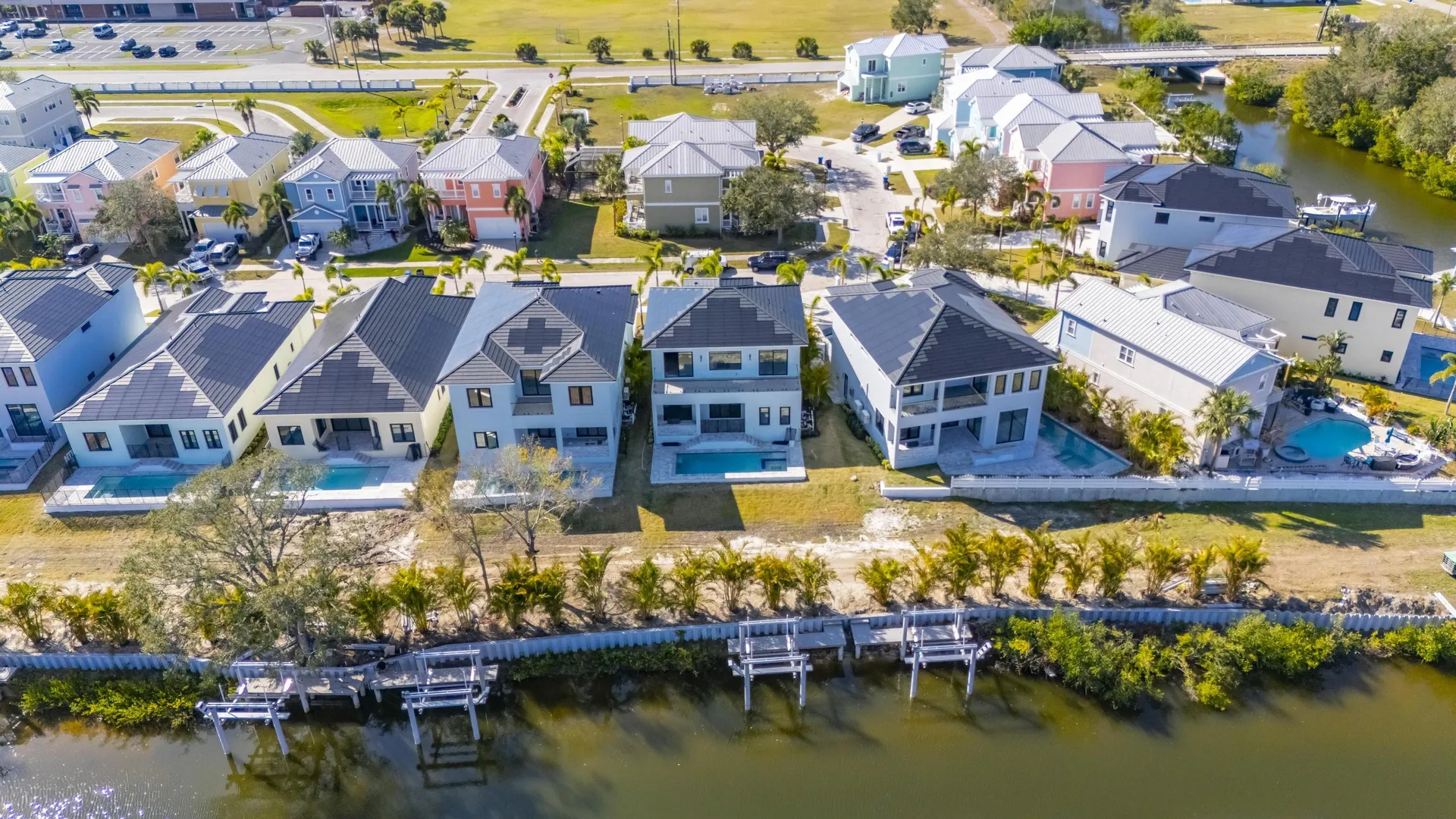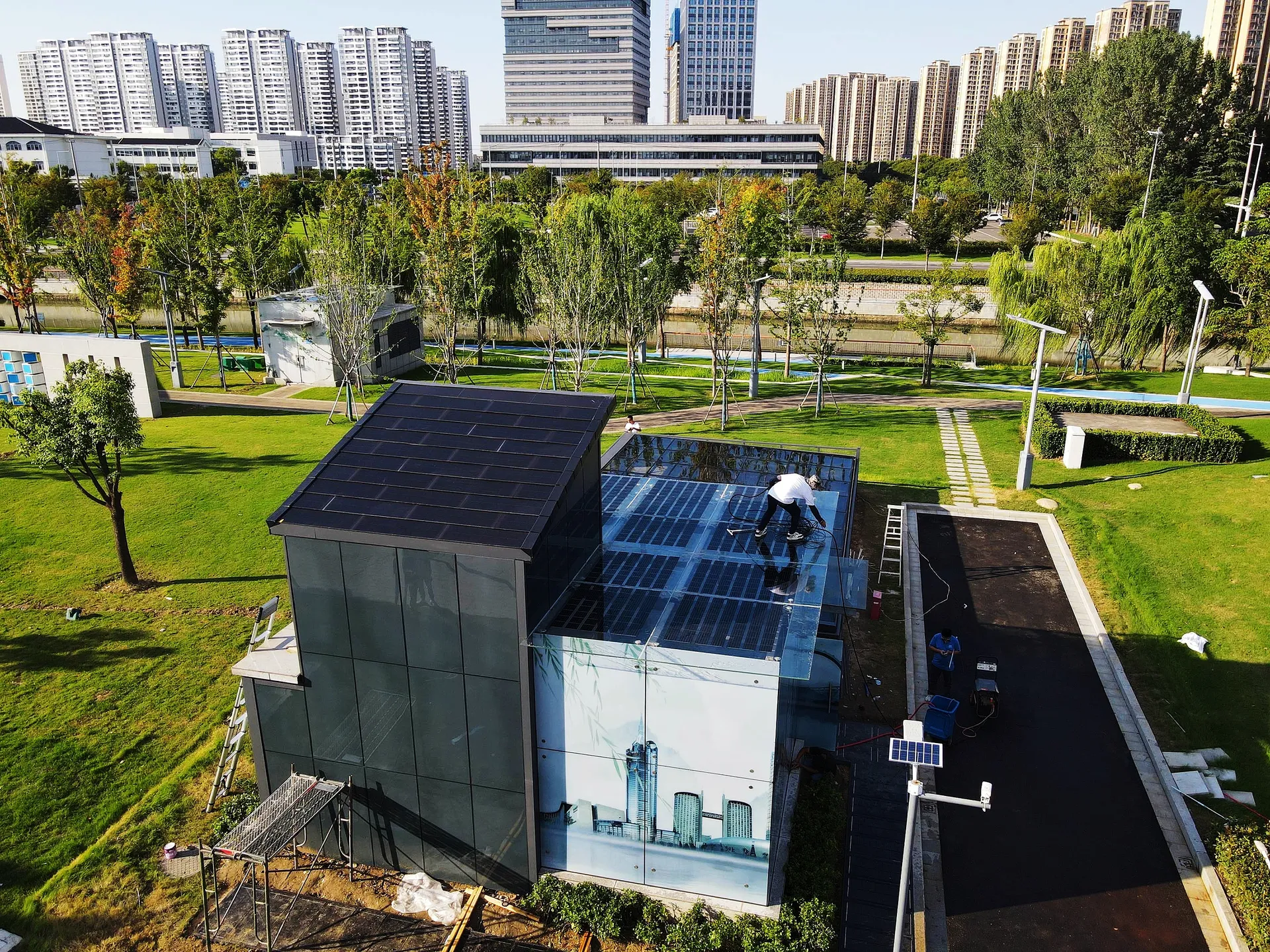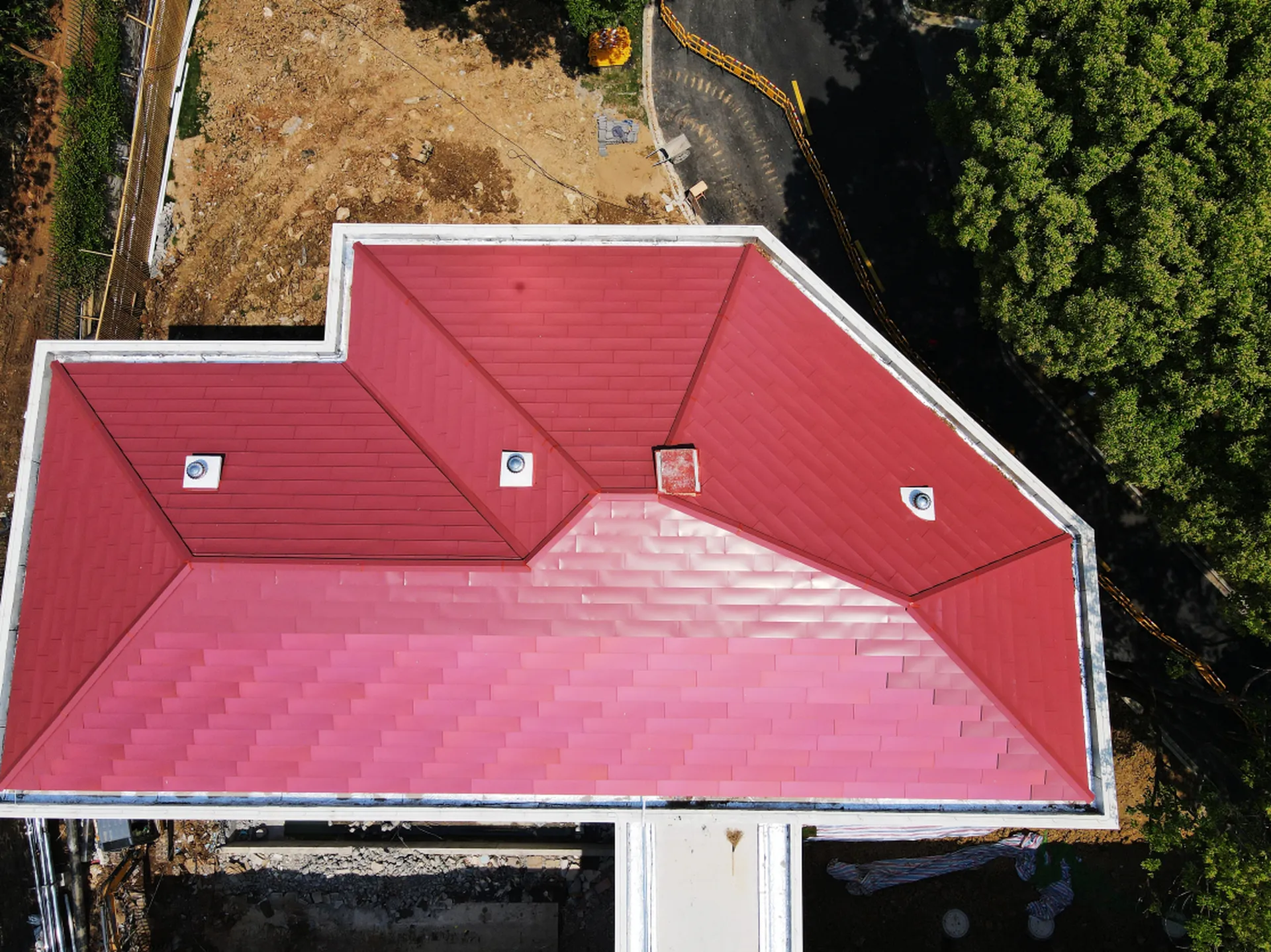
Project Reference
Public Utility Infrastructure
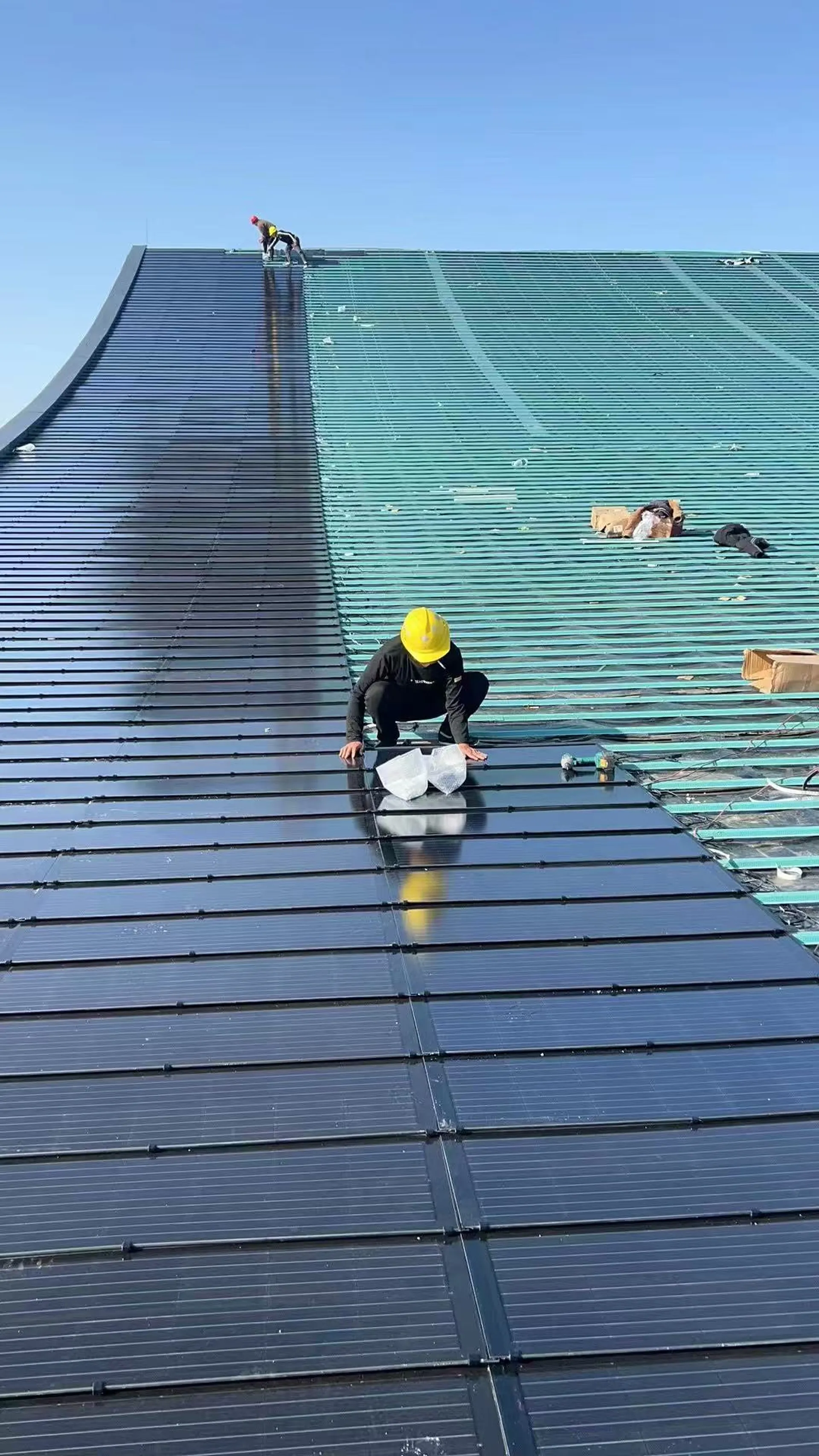
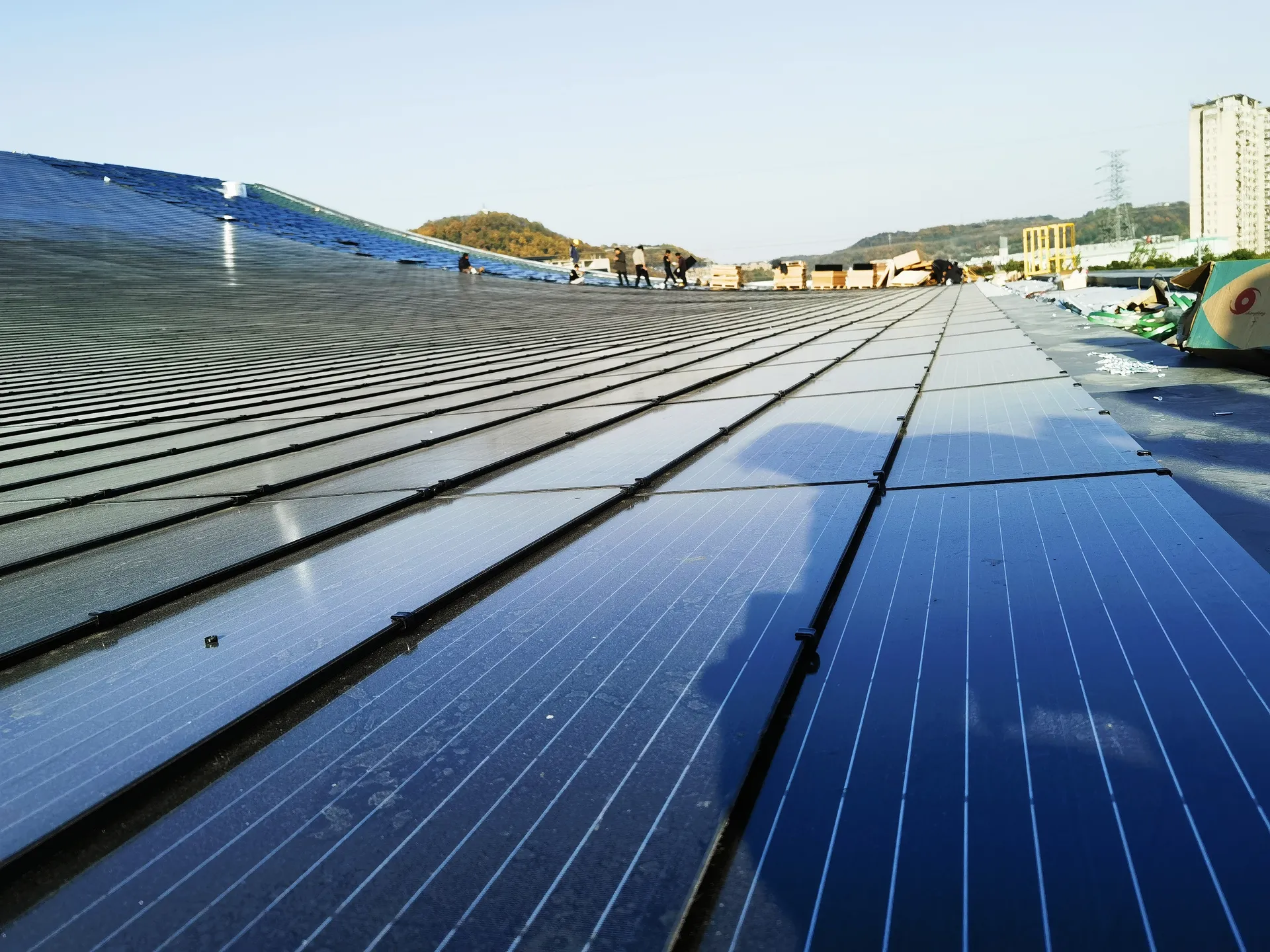
A mega-watt scale BIPV installation on a water treatment plant with a sweeping curved architectural roof. This 1.2 MWp utility-scale project demonstrates Sunlit's EPC-level capability using zero-penetration non-penetrati…
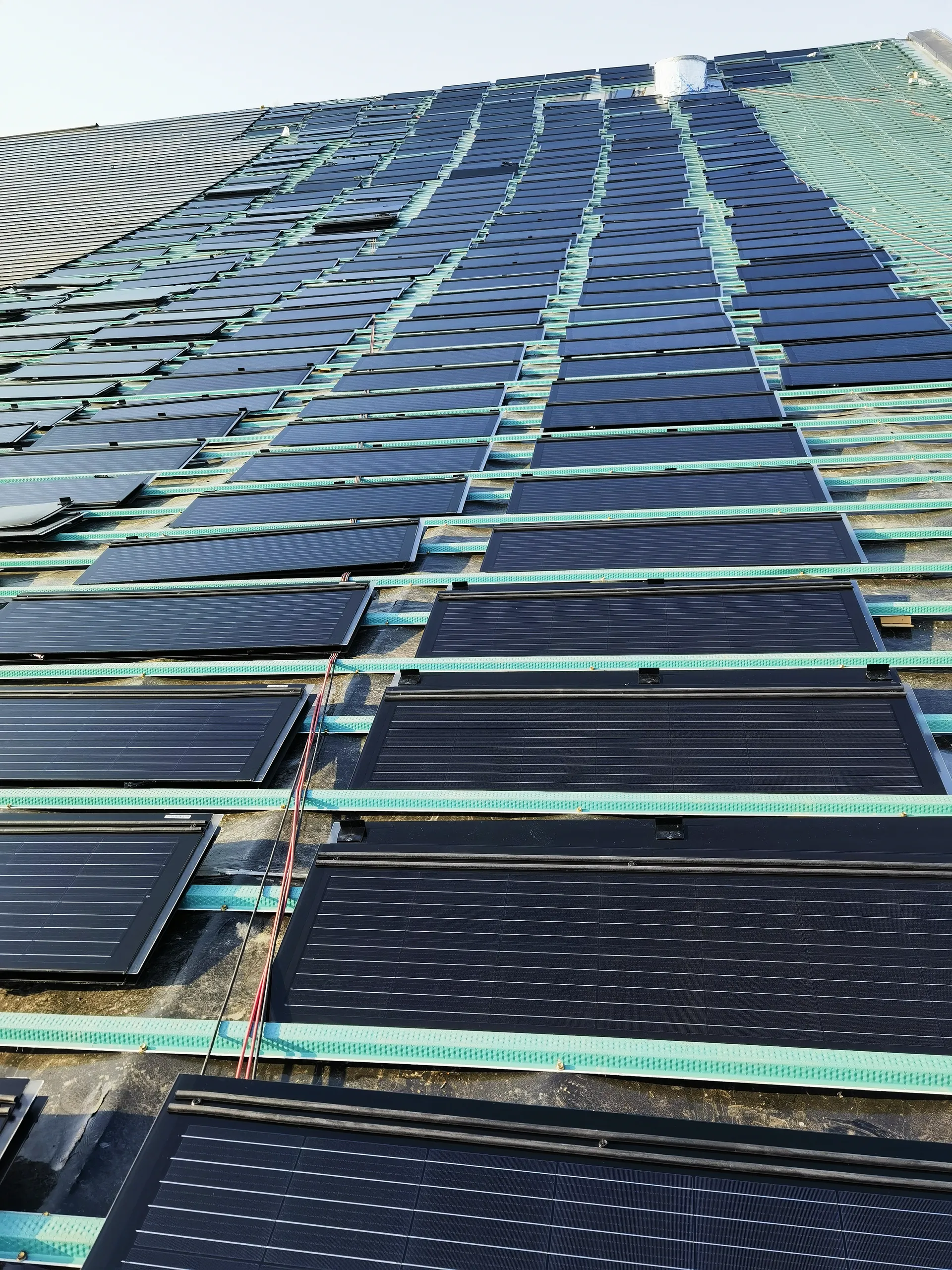
Project Overview
A mega-watt scale BIPV installation on a water treatment plant with a sweeping curved architectural roof. This 1.2 MWp utility-scale project demonstrates Sunlit's EPC-level capability using zero-penetration non-penetrating standing seam clips for critical public infrastructure.
Project Challenge
Water treatment plants are highly energy-intensive public facilities. The municipality sought to utilize the massive roof space of this new plant to offset operational power costs and hit carbon-neutral targets. However, the facility featured a distinct, sweeping curved architectural roof. Standard rigid solar panels and traditional racking systems would destroy the building's aerodynamic curve and require thousands of roof penetrations—an unacceptable risk for critical water infrastructure.
Sunlit Solution
We engineered an industrial-grade BIPV solution tailored for massive curved metal roofs. We utilized a specialized non-penetrating mounting clip system, allowing heavy-duty solar modules to securely grip the standing seams without drilling a single hole into the primary roof, guaranteeing zero leak risk. The flexible layout capability of our system perfectly contoured to the sweeping vaulted roof. This MW-class installation not only provides extreme weather protection but also acts as a massive decentralized power station.
Architectural Outcome
This infrastructure reference records Others as the roof-integrated system for Public Utility Infrastructure. Review the project facts and images with Sunlit when assessing a comparable roof.
Technical Notes
System Scope Referenced in This Project
The project record identifies these roof-system categories. Exact quantities, interfaces and documents must be confirmed for the current roof design and local requirements.