
Solar Roof Explained
What Is a Solar Roof?
A solar roof integrates photovoltaic cells directly into the roof material — replacing conventional tiles or sheets rather than adding panels on top. The roof itself generates electricity.
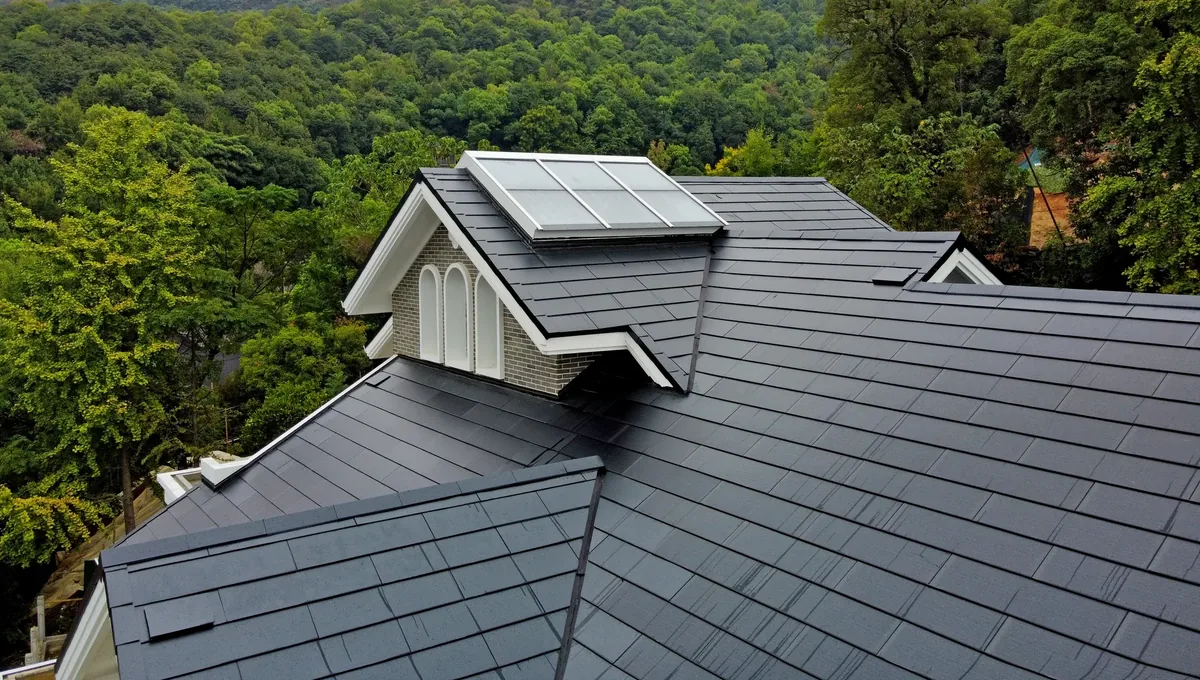
Project Reference
Hangzhou Xianghu Arcadia Villa
227 m² · 10 kWp · Lumina Slate glass solar tiles
01 — What it is
Roof + solar power in one system
Active PV tiles replace conventional roofing material. The roof surface itself generates electricity.
02 — How it differs
Not panels on a roof — it is the roof
Solar panels are added on top of an existing roof. A solar roof replaces the roof entirely — no rack, no gap, no visible hardware.
03 — Who it's for
New builds, re-roofs, premium projects
Best suited when a new roof is already needed, or when appearance is part of the project value — villas, resorts, premium residential.
How It Works
The Roof Surface Generates Power
Each active tile contains monocrystalline photovoltaic cells sealed between two layers of toughened glass. The tiles are wired in series and connected to a standard solar inverter — the same inverter used with conventional panels. Electricity flows to the building's distribution board and, optionally, to a battery or grid connection.
01
Sunlight hits the tile surface
PV cells in each active tile absorb photons and generate DC electricity.
02
DC electricity flows through wiring
Tiles are connected in series strings. Wiring runs under the batten layer, invisible from outside.
03
Inverter converts DC to AC
A standard solar inverter (string or micro) converts DC output to usable AC power.
04
Power used, stored, or exported
AC power feeds the building. Surplus can charge batteries or export to the grid.
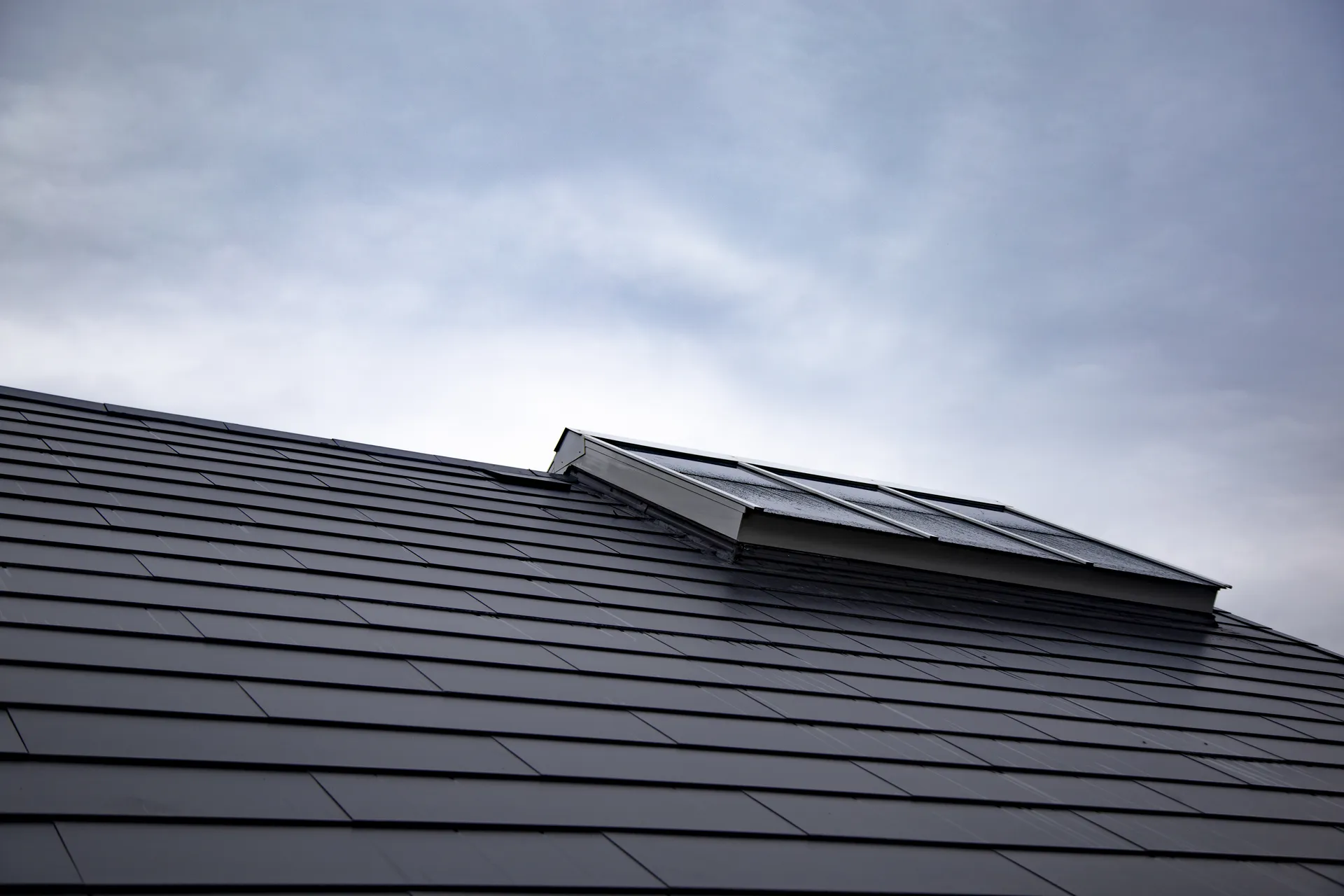
Hangzhou Xianghu Arcadia Villa — skylight integration detail showing how active tiles meet structural features
System Components
Every Component Has a Role
A solar roof is not just the active tiles. A complete system includes matching inactive elements, edge and ridge components, flashing, fixings, and underlayer — all designed to work together as a single weatherproof, power-generating roof.
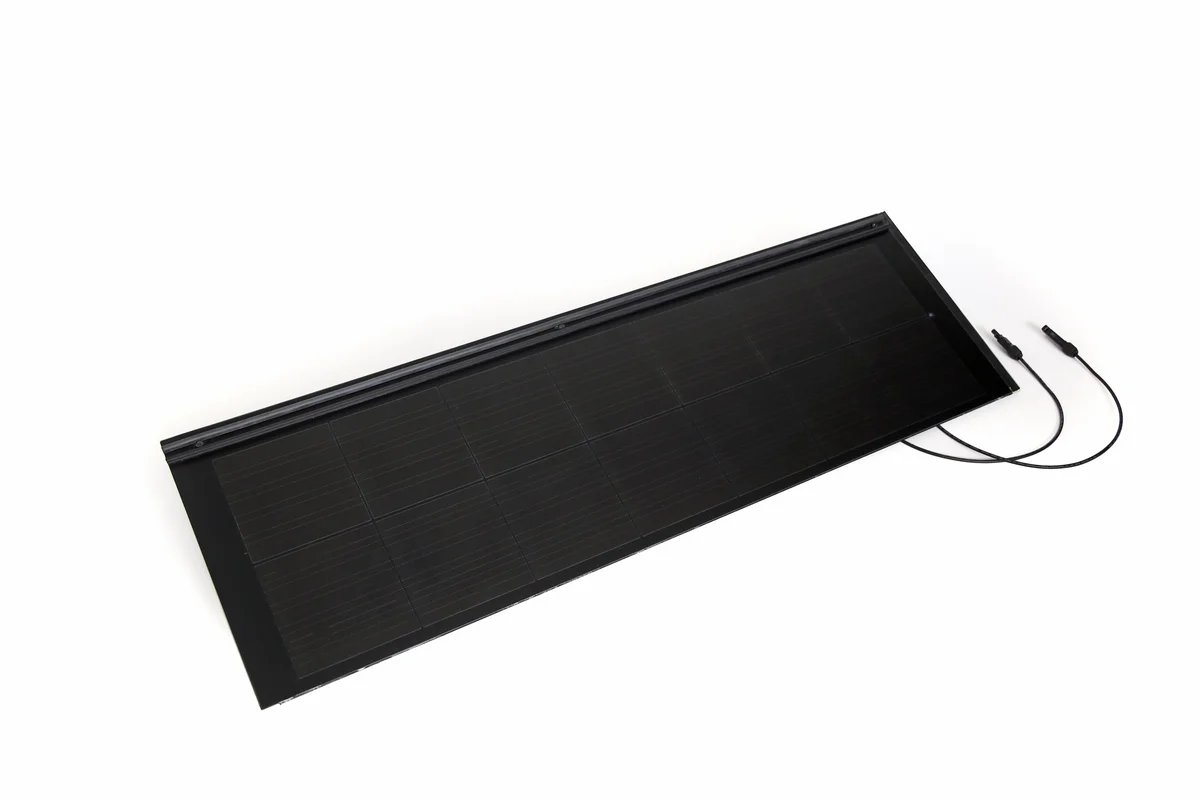
Active Solar Tile
The power-generating element. Each tile contains monocrystalline PV cells encapsulated in double glass. Looks like a premium slate tile.
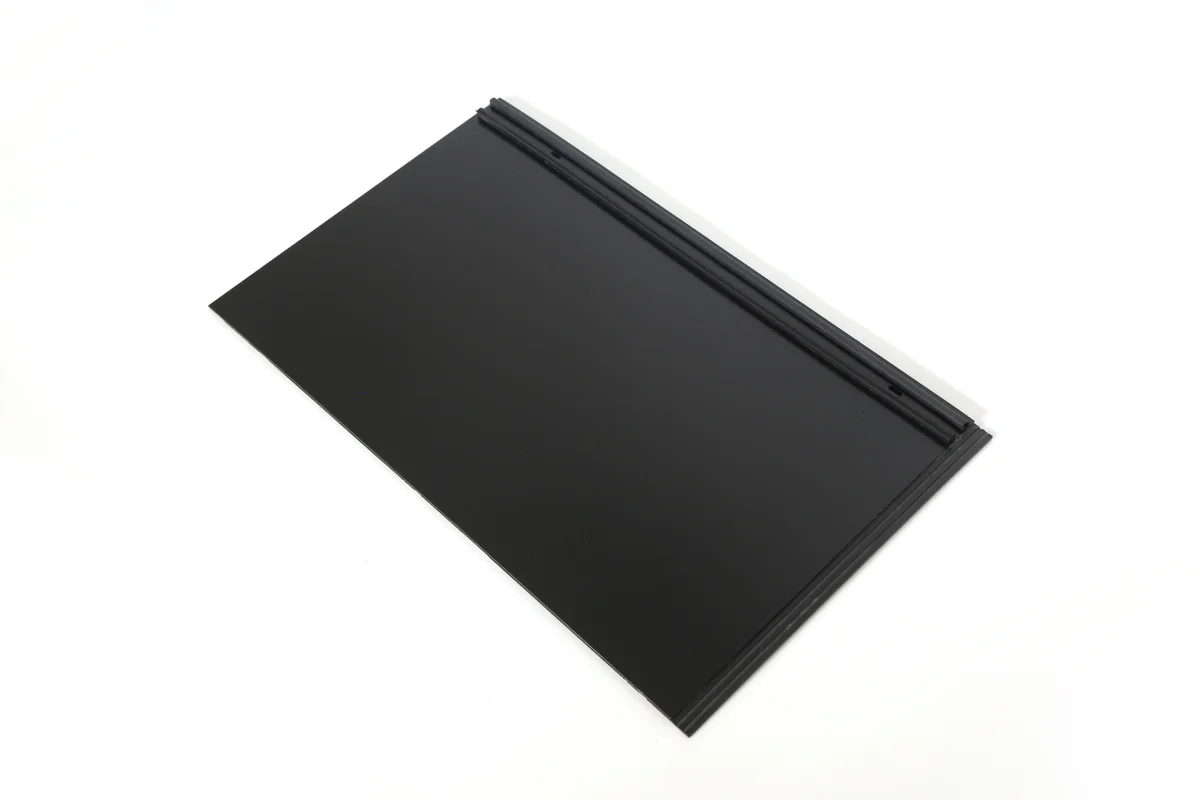
Inactive Tile
Non-generating tile with identical appearance to the active tile. Fills shaded areas, edges, and non-solar sections for a seamless roof.
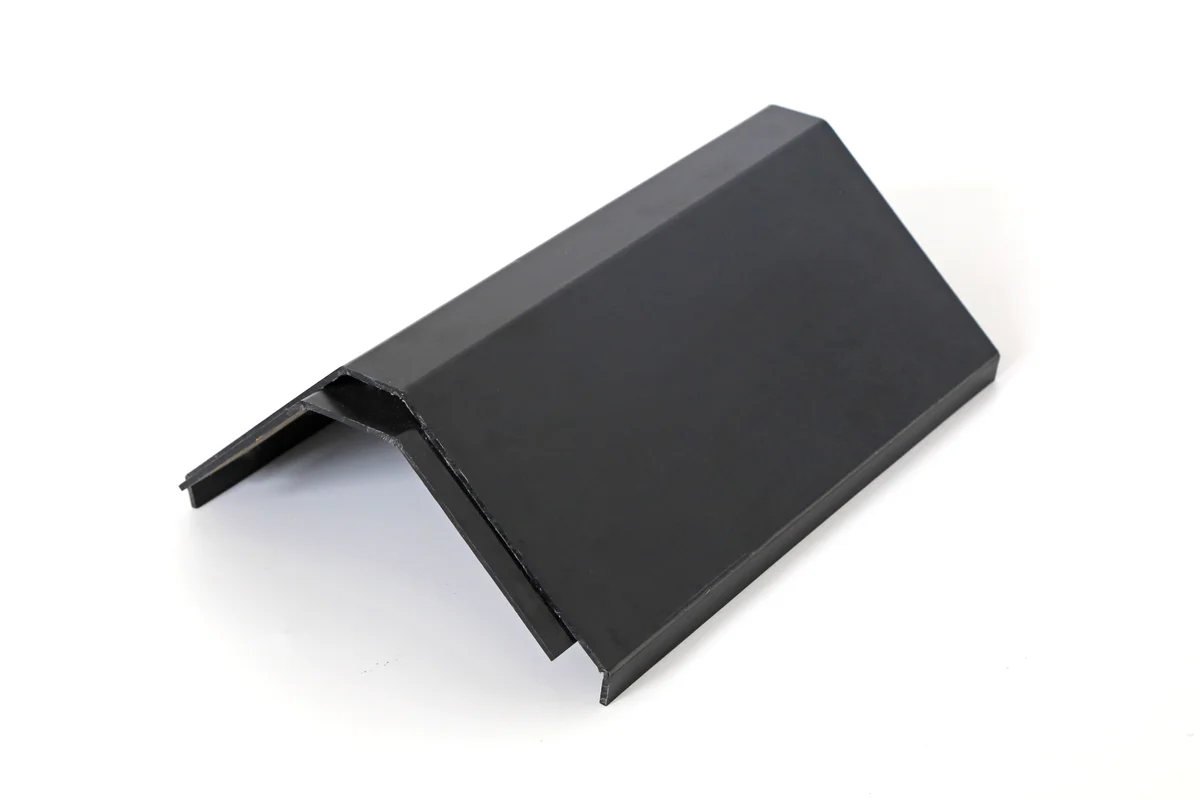
Ridge Tile
Covers and seals the roof peak. Toughened glass matching the tile system — no exposed metal ridge required.
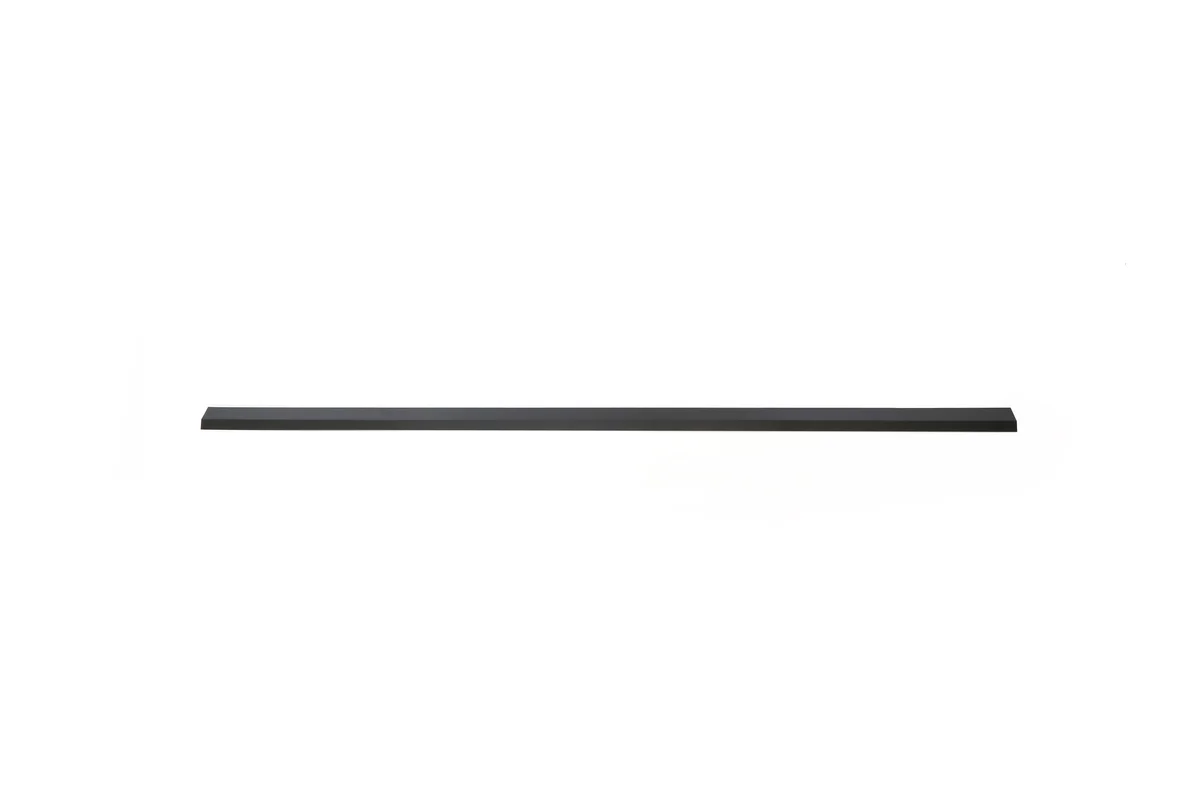
Vertical Flashing Strip
Seals the junction between the solar roof and vertical walls or dormers. Prevents water ingress at critical transition points.
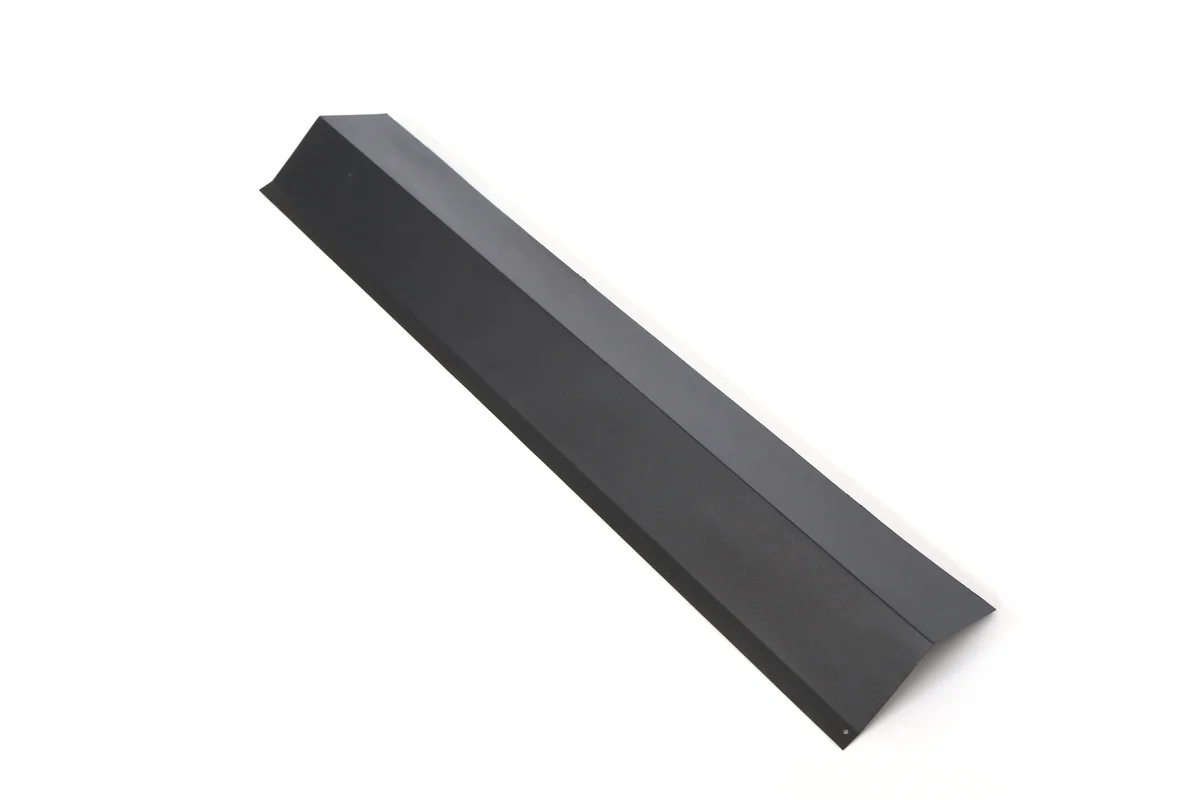
Eaves Starter
The first course at the eave line. Establishes the correct tile angle and directs water away from the fascia.
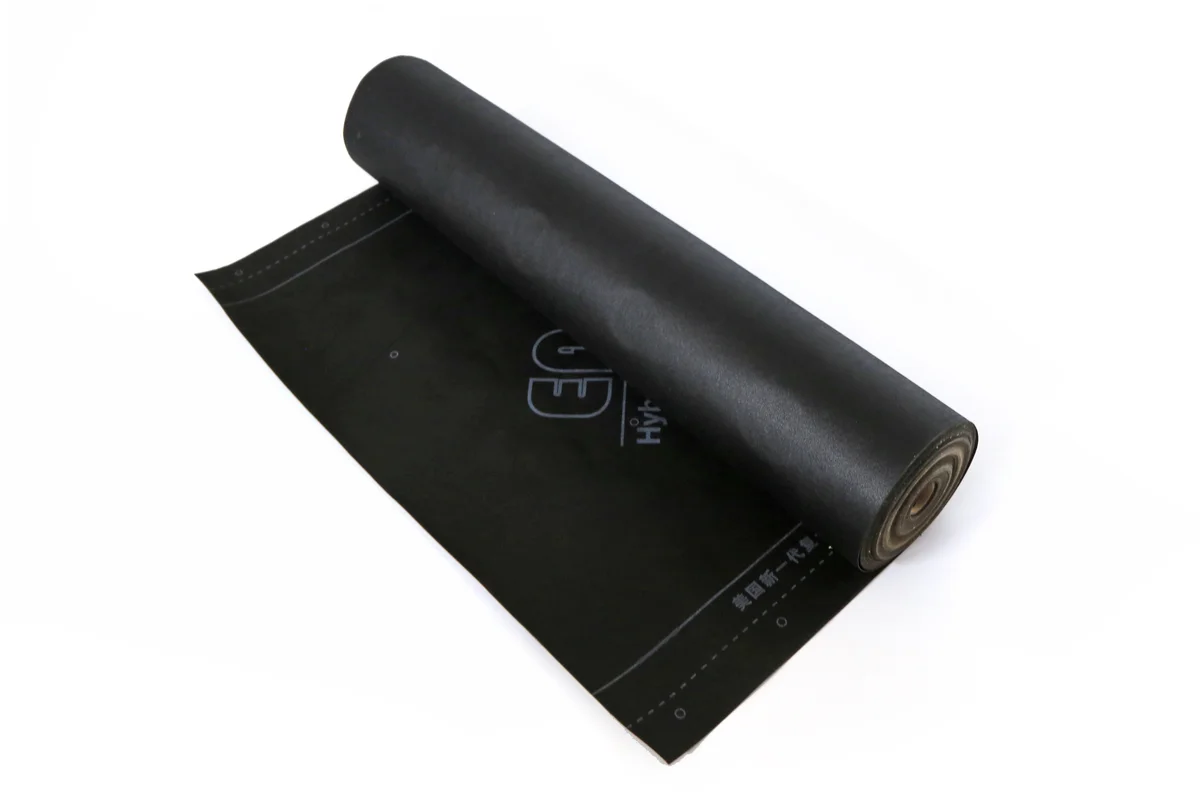
Waterproof Membrane
Underlayer beneath the tile system. Provides a secondary waterproofing barrier independent of the tile surface.
Quick Comparison
Solar Roof vs Solar Panels vs Traditional Roof
The key distinction is integration. Solar panels are an addition to a roof. A solar roof is the roof.
Swipe the table to compare all options →
| Feature | Solar Roof (BIPV) | Solar Panels on Roof | Traditional Roof |
|---|---|---|---|
| Appearance | Integrated — looks like a premium roof | Visible rack-mounted panels | Panels sit on top of existing roof |
| Roof function | IS the roof — waterproofs and generates | Roof + panels are separate systems | Roof + panels are separate systems |
| Installation | Replace roof with solar roof system | Keep existing roof, add panels | Keep existing roof, add panels |
| Best for | New builds, re-roofs, premium projects | Retrofit on existing roofs | Retrofit on existing roofs |
| Aesthetics | Architecturally designed | Functional, visible hardware | Functional, visible hardware |
| Cost position | Higher upfront, replaces roof cost | Lower upfront, adds to roof cost | Lower upfront, adds to roof cost |
Real Installations
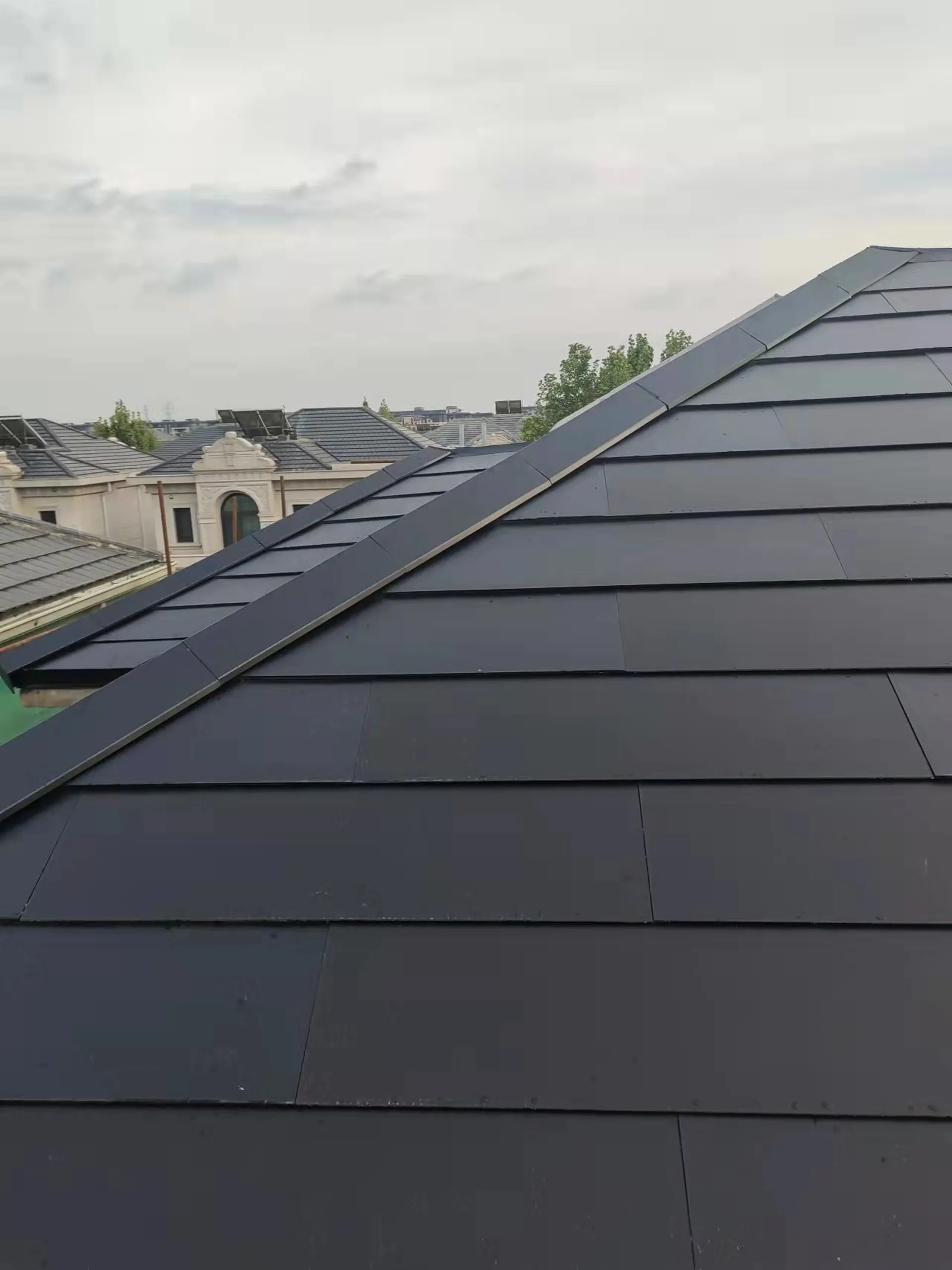
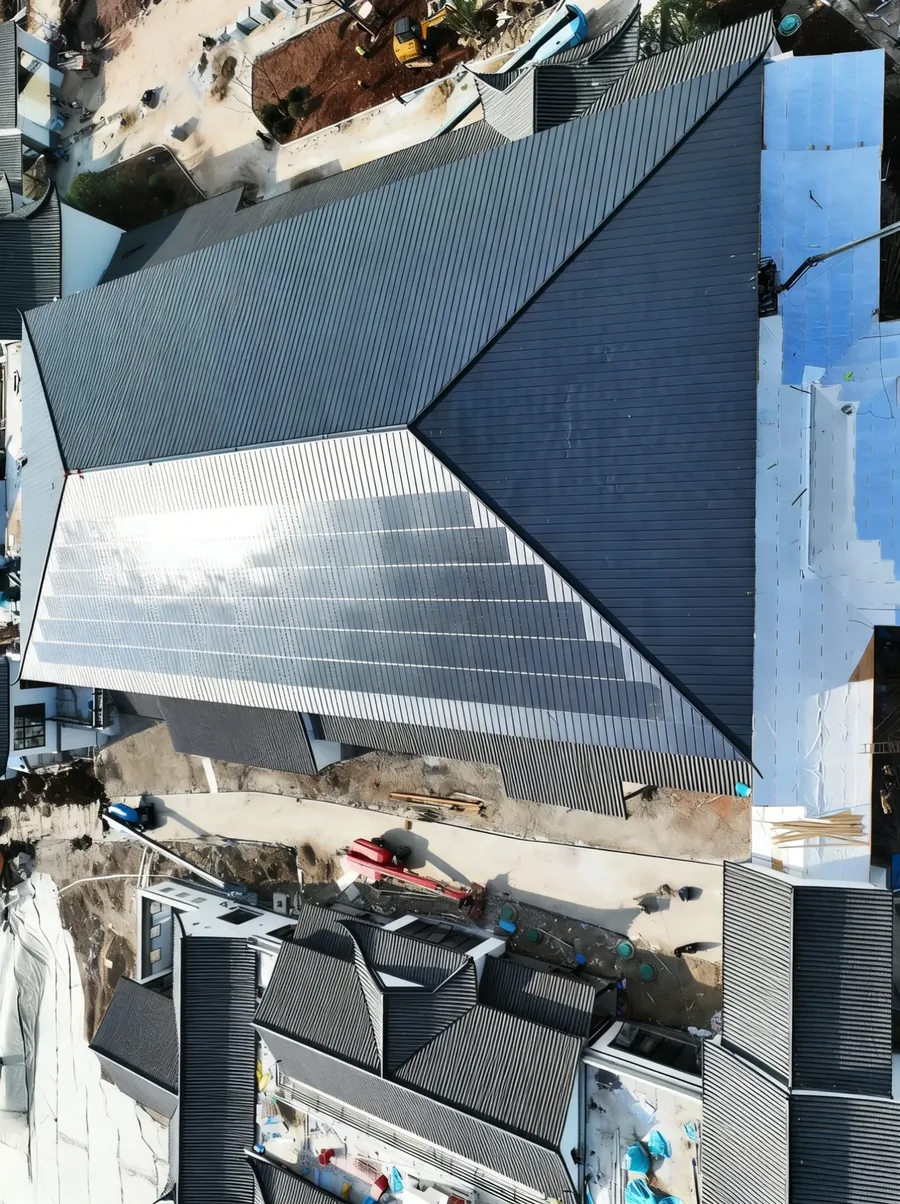
What a Solar Roof Looks Like Installed
Factory-supplied solar roofs on completed projects across China and overseas.
Common Questions
Frequently Asked Questions
Does a solar roof replace the entire roof? +
How much power does a solar roof generate? +
Is a solar roof more expensive than solar panels? +
What is the difference between BIPV and a solar roof? +
Can any roof use a solar roof system? +
Factory Supply · B2B
Sourcing a Solar Roof
for a Project or Market?
Sunlit is a China-based manufacturer supplying complete solar roof packages — active tiles, inactive coverage, trim, flashing and fixings — factory direct to distributors, installers and developers in overseas markets.
2
Product Lines
20+
Delivered Projects
IP68
Waterproof Rating
Continue Reading
Comparison Guide
Solar Roof vs Solar Panels: Full Data Comparison
Cost, efficiency, aesthetics, application range — side by side.
Supply Scope
What Sunlit Supplies: The Complete Package
Active tiles, inactive coverage, trim, flashing, fixings and documents — one factory, one shipment.
Product Line
Lumina Slate: Premium Glass Solar Roof Tiles
70W per tile · Mono PERC · Double glass · Slate-look finish.