
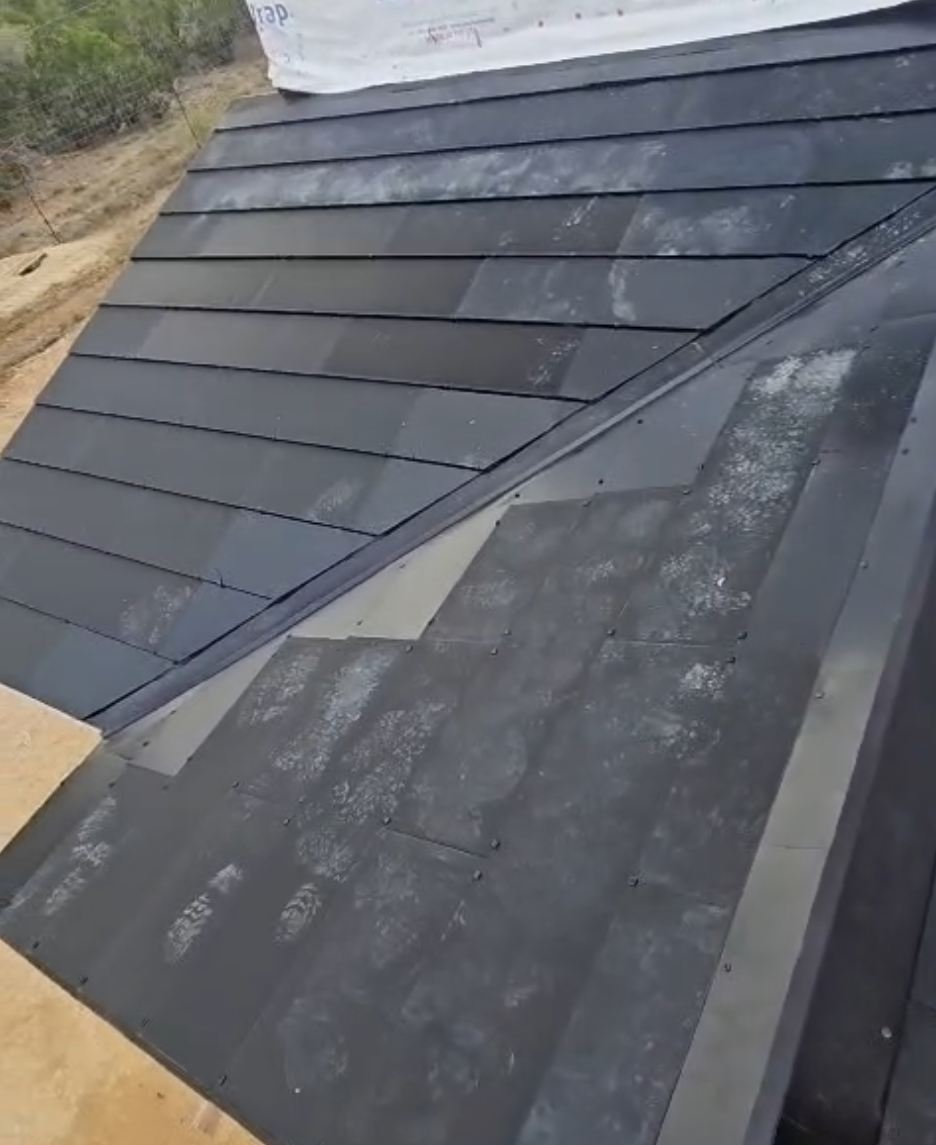
The “Hot Money” Problem: Why Outsiders Are Flooding the Market
How do you know an industry is about to explode? The tourists show up.
We saw it with the early internet, and we saw it with traditional solar. The minute a new sector prints money, the outsiders rush in. Guys who sell software, finance, or even agricultural feed suddenly want a piece of the action. They see the massive demand, they smell the cash, and they dive in blind.
The exact same thing is happening right now with solar roofs.
Lately, our inbox has been jammed with inquiries from across the globe. We hear from real estate developers and elite roofers, but we also hear from investment brokers and tech flippers.
Their opening pitch is always the same: “I saw this product. I love it. The market here is huge. Can I be your exclusive distributor?”
We appreciate the hustle. But we turn these offers down. You cannot distribute a highly engineered building material if you haven’t successfully installed a single project.
Here is the brutal truth.
What keeps me up at night isn’t turning down bad deals. It’s what happens to these guys when they find a supplier willing to take their “hot money.”
They wire a massive deposit. They ship containers of glass across the ocean. The pallets arrive on the job site—and nothing fits. The tiles don’t lock, the structural integrity is garbage, and the project grinds to a halt. You are left staring at a six-figure pile of useless glass while your holding costs bleed you dry.
If you are a developer or a builder looking to import a solar roof, this guide is for you. Here is how to cut through the marketing BS and find a manufacturer that won’t bankrupt your business.
Step 1: The Manufacturing Baseline (Don’t Buy Garbage)
Thanks to the sheer scale of Chinese manufacturing, most solar tile production lines are heavily automated. But you still need to establish a hard baseline.
Demand proof. The core solar tiles must pass authoritative IEC certifications for fire resistance, power output, and wind uplift. Make them show you the factory QA video. If a tile blows off in a storm because of cheap manufacturing, you are the one getting sued.
Step 2: The Service Boundary (Where the Real Traps Hide)
If the tiles pass the baseline test, you move to the deadliest part of the evaluation.
We have to repeat this until it sticks: A solar roof is a highly engineered system. Buying a pile of “solar tiles” is a rookie mistake. Different suppliers offer entirely different levels of integration. Here are the three types of vendors you will meet.
**Trap #1: The “Panel-Only” Cobblers **
These are traditional solar panel factories trying to cash in on the BIPV hype. They just tweaked their assembly lines to make smaller panels.
-
The Fatal Flaw: They don’t know roofing. They only sell the active power tiles. Need dummy tiles for the shaded spots? Need custom flashings for your valleys and ridges? You are on your own.
-
The Business Stake: You end up buying standard tiles locally to fill the gaps. But two different factories mean two different tolerances. A 2-millimeter gap between their solar tile and your dummy tile doesn’t seem like much—until you stack it across ten rows. By the time you reach the ridge, you have a massive, gaping hole. A leaking roof destroys your profit margin. Walk away.
Trap #2: The “Stone-Coated” Roofing Trap
These are traditional roofing material factories that partnered with a solar plant. They glue custom solar panels onto their existing roof tiles. We actually respect this logic (our Storm Guard series evolved similarly), but they use the wrong base material.
-
The Fatal Flaw: They usually mount the solar cells on heavy, stone-coated metal tiles. You cannot cleanly cut these tiles to fit complex valleys or gables (which is why their brochures only ever show simple, flat roofs).
-
The Business Stake: It gets worse. That fake stone surface weathers in 5 to 10 years. When it degrades, the solar panel separates from the base tile. It peels off. It is a warranty nightmare waiting to happen.
The Gold Standard: The “IKEA-Ready” Delivery System
The perfect supplier engineers the entire roof from day one as a complete system designed for long-distance shipping and self-installation.
If a vendor can only install the roof using their own domestic, in-house crew, they are useless to you. The true test is whether your local guys can put it together perfectly without a factory rep breathing down their necks.
Think about it. Early versions of the Tesla Solar Roof struggled massively with this. The system design was incredibly complicated. When local subcontracted crews hit tricky corners or valleys, they panicked. To close the gaps, they broke protocol and pumped the roof full of sealant. A few years later, the caulking aged and cracked, leading to a wave of severe roof leaks and class-action lawsuits.
In international procurement, your margin for error is zero. Every step of the installation must be as clear, simple, and repeatable as assembling IKEA furniture.
Step 3: The 4-Question Pre-Shipment Interrogation
Before you wire a single dime, put your supplier through this four-question gauntlet:
-
The Blueprint Breakdown: “I sent you the CAD files. Will you map the exact tile count for every single roof plane, or are you just guessing the total square footage?”
-
The Nightmare Nodes: “Can you clearly identify the valleys, eaves, and gables on my plans, and are you providing the exact, custom flashing materials to seal them?”
-
The Glass Tax: “Solar tiles are frameless tempered glass. Do you use custom export crates to survive the ocean freight, and have you factored in a realistic waste-margin for job-site breakage?”
-
The Sparky Test: “My residential electrician has never touched a BIPV roof. Do you provide crystal-clear wiring schematics? More importantly, are the complex electrical components pre-wired and tested at your factory?”
The Bottom Line
If a supplier answers “Yes” to all four, you have found an IKEA-ready system.
But let’s be brutally honest. Even with a perfect supplier, your very first 5,000-square-foot install is going to require serious project management. You are still unloading 15 pallets of gear and orchestrating two different trade crews.
But that sweat is your commercial moat. Once your team battles through those first two projects, you own the process. You lock out the tourists with their hot money. You transition from a guy gambling on an import, to the apex predator in a high-margin, unsaturated market.